
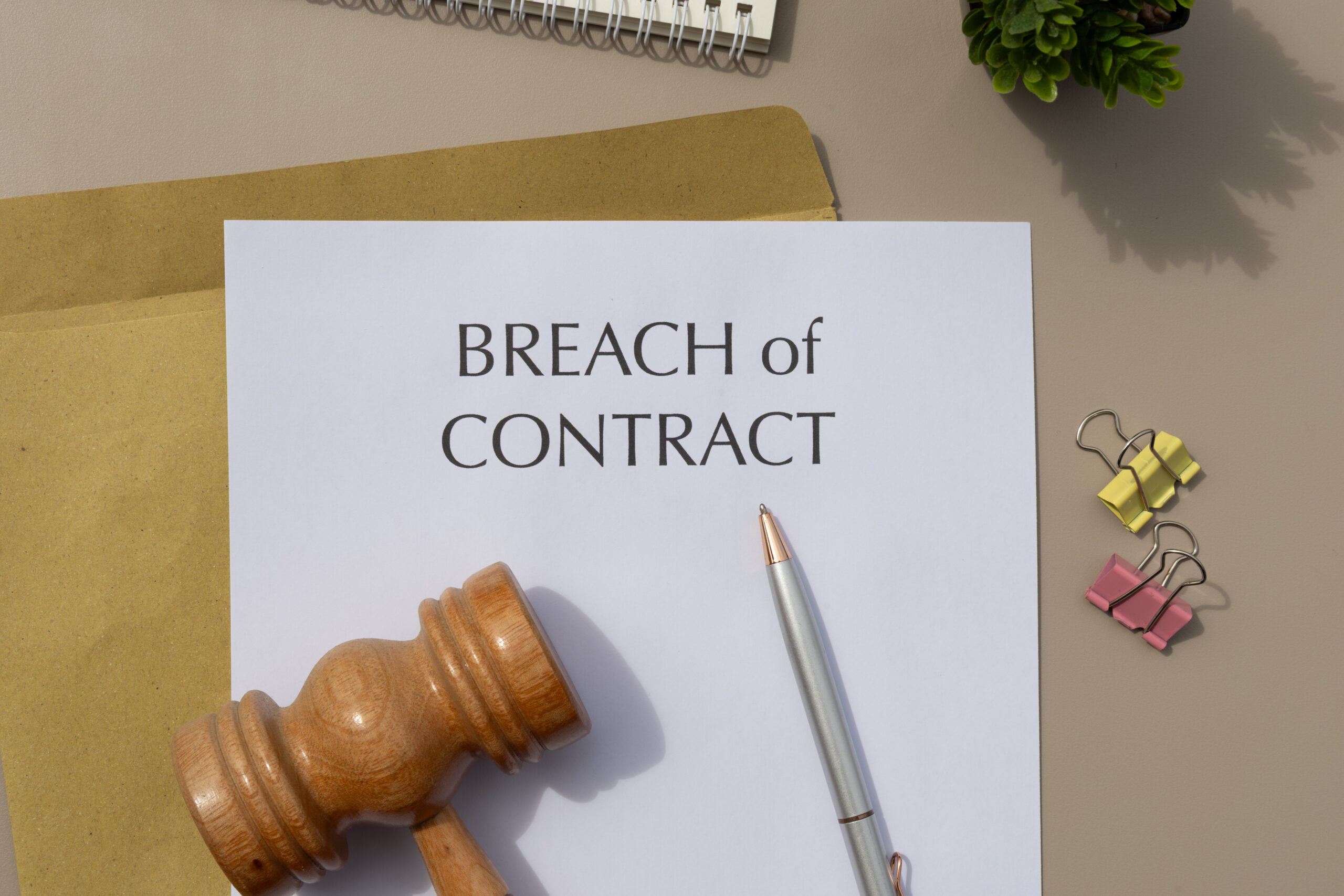
When a contract is breached, follow this step-by-step guide to review terms, document issues, and pursue remedies like damages or mediation to protect your business.
Introduction
You hired a contractor to renovate your store, but they miss deadlines, leaving you with losses. What’s next? A contract breach can disrupt your business, but knowing how to respond keeps you in control. Revolution Law’s blog post, “Understanding Contract Claims: When Promises Become Legal Obligations,” defines a breach as failing to meet contract terms and lists remedies like damages or specific performance. This guide builds on that, offering a clear, step-by-step plan to handle a breach, from reviewing the contract to exploring legal options. By acting quickly and smartly, you can minimize damage and protect your business. Let’s walk through what to do when a contract goes wrong.
Explanation
A breach of contract occurs when one party doesn’t fulfill their obligations. Whether it’s a contractor missing deadlines or a client not paying, a breach can hurt your business. Here’s a five-step plan to handle it, building on Revolution Law’s remedies discussion.
Step 1: Review the Contract
Check the contract’s terms to confirm the breach. Did the contractor promise completion by a specific date? Does the contract include specifications for what was to be provided, or is that left open to interpretation? Does the contract specify the payment terms?
Step 2: Document the Breach
Gather evidence, like emails showing missed deadlines or unpaid invoices. Clear communication and documentation strengthens your case.
Step 3: Attempt Negotiation
Contact the breaching party to resolve the issue. For example, ask the contractor to finish the work or refund you. Many disputes settle here, avoiding costly legal battles.
Step 4: Consult Your Lawyer
If your efforts to encourage the other side to perform as agreed are unsuccessful, it is probably time to consult your Lawyer. Your lawyer will likely recommend several options, such as sending a demand letter, suggesting pre-suit mediation, and/or filing a lawsuit when necessary.
Practical Tips
Handle a breach with these five steps:
- Review Terms: Confirm the breach against the contract’s specific obligations.
- Collect Evidence: Save emails, invoices, or photos proving the breach.
- Communicate: Make sure the other party understands your position.
- Consult a Lawyer: Get legal advice for high-value disputes or complex breaches.
Conclusion
Proper planning will help your business deal effectively with potential breaches of contract and save your bottom line. Visit Revolution Law for more insights, and consult a lawyer to navigate breaches effectively.
Revolution Law Group is located in Greensboro, NC, and serves individuals and small businesses throughout the Triad and surrounding areas. To contact us please visit Revolution.law or call 336-333-7907.
The information included here is for informational purposes only, is not exhaustive of all considerations when creating documents, is not intended to be legal advice, and should not be relied upon for that purpose. We strongly recommend you consult with an attorney and do not attempt to create your own documents.
Breach of Contract FAQs
-
What qualifies as a contract breach?A breach occurs when a party fails to meet contract obligations, like missing delivery deadlines. Revolution Law’s post defines material breaches as significant, allowing remedies like damages.
-
What should I do first if a contract is breached?Review the contract to confirm the breach. Check for specific terms, like delivery dates, and gather evidence like emails.
-
What remedies are available for a breach?Remedies include compensatory damages (the amount you lost because of the breach), specific performance (an order from the court requiring the other side to perform), or rescission (cancelling and unwinding the contract completely). For example, you might recover lost profits or cancel the contract.
-
How do I know if I need a lawyer for a breach?For high-value disputes or complex breaches, consult a lawyer to protect your interests.