
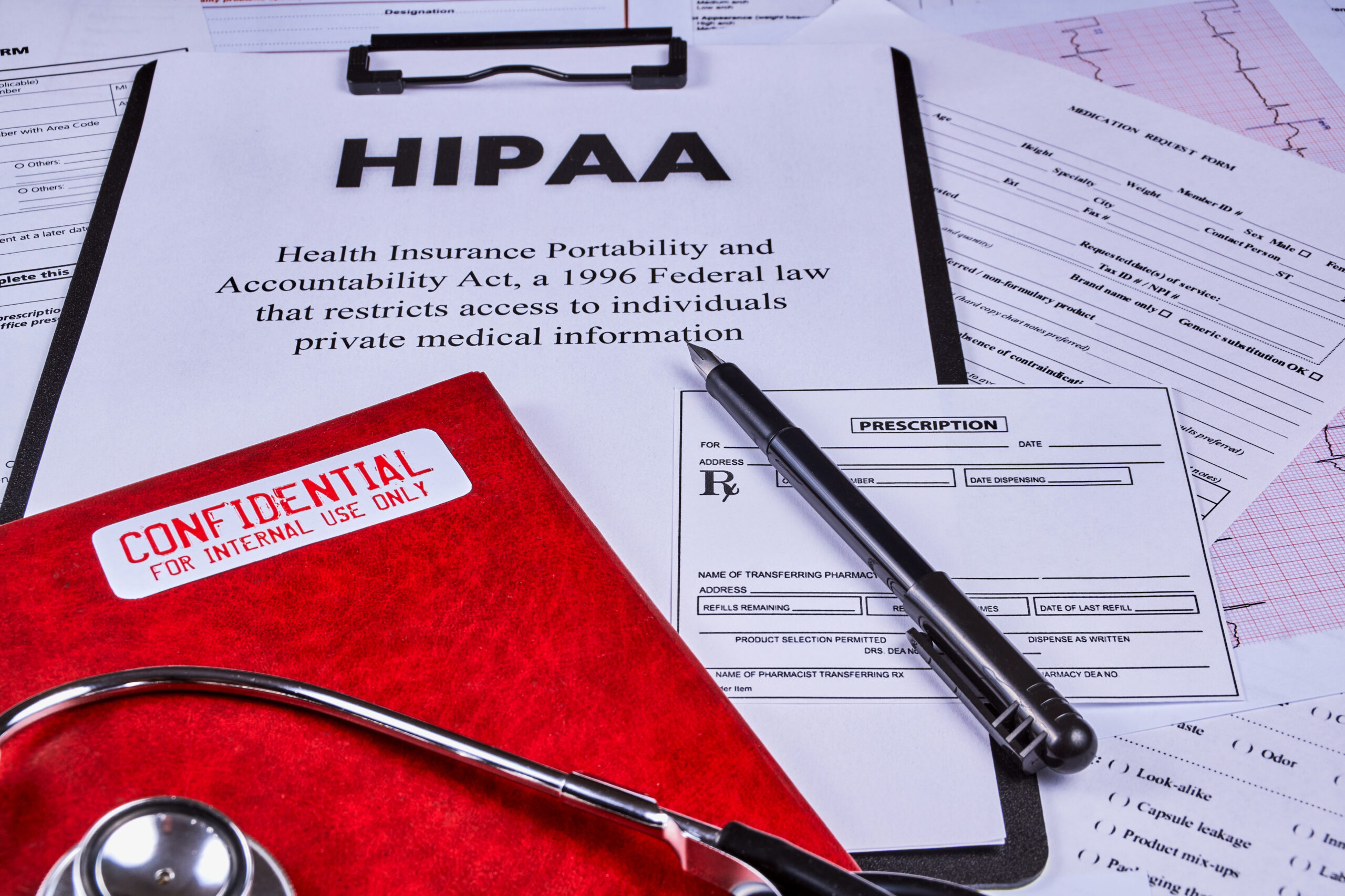
All healthcare providers, regardless of size, are required to comply with the Health Insurance Portability and Accountability Act (HIPAA). While larger healthcare organizations often have dedicated compliance teams and resources, smaller medical practices face unique challenges when it comes to implementing and maintaining HIPAA compliance.
Unfortunately, the HHS Office for Civil Rights (OCR) does not offer exemptions based on practice size. In fact, OCR has increasingly focused on smaller practices, recognizing that gaps in compliance-often due to limited resources-can still put patient privacy at serious risk. This means small practices are just as accountable for HIPAA violations as large hospital systems.
Steps Small Practices Can Take to Protect Themselves
Even with fewer resources, there are practical steps small medical practices can take to stay compliant and reduce the risk of fines or enforcement actions:
- Document Everything: Keep clear records of all HIPAA policies, procedures, and actions taken to comply with regulations. Documentation is essential during audits and demonstrates a good-faith effort to protect patient information.
- Conduct Regular Risk Analyses: Performing a thorough risk assessment at least annually (or whenever significant changes occur) is a HIPAA requirement. This process helps identify vulnerabilities in your systems, workflows, and physical security.
- Provide Ongoing Staff Training: HIPAA compliance is a team effort. Ensure all employees-including front desk staff, medical assistants, and temporary workers-receive regular training on privacy rules, security protocols, and how to handle patient information properly.
- Maintain Current Business Associate Agreements (BAAs): Every vendor who handles or has access to protected health information (PHI) must have a HIPAA-compliant BAA in place. Keep these agreements updated and ensure vendors understand their obligations under HIPAA.
- Implement Strong Access Controls: Protect electronic records with secure passwords, encryption, and role-based access controls. Limit access to PHI to only those who need it to perform their job functions.
- Maintain Event Logs: Track access to electronic health records and systems to detect unauthorized access or unusual activity. Event logs can be critical for investigating potential breaches.
- Develop an Effective Incident Response Plan: Even with precautions, security incidents can happen. Having a clear, tested response plan ensures quick action to contain breaches, notify affected patients, and mitigate potential penalties.
This list is not exhaustive, but it highlights key practices small medical offices can implement immediately. By proactively addressing compliance, small practices can protect patient privacy, reduce legal risks, and demonstrate a commitment to HIPAA standards-even without the extensive resources of a larger organization.
Revolution Law Group is located in Greensboro, NC, and serves individuals and small businesses throughout the Triad and surrounding areas. To contact us please visit Revolution.law or call 336-333-7907.
The information included here is for informational purposes only, is not exhaustive of all considerations when creating documents, is not intended to be legal advice, and should not be relied upon for that purpose. We strongly recommend you consult with an attorney and do not attempt to create your own documents.
Small Medical Practices & HIPAA Compliance
-
Does HIPAA apply if my practice only sees a small number of patients?Yes. HIPAA applies based on the type of entity-not the number of patients. If you are a covered healthcare provider that transmits health information electronically (such as billing insurance), you are required to comply regardless of size or patient volume.
-
Are paper records still subject to HIPAA?Absolutely. HIPAA applies to both electronic and physical protected health information (PHI). This means paper charts, sign-in sheets, and printed records must be properly stored, handled, and disposed of to prevent unauthorized access.
-
What penalties can a small practice face for HIPAA violations?Penalties can range from hundreds to millions of dollars depending on the severity and whether the violation was due to willful neglect. Even smaller violations can result in corrective action plans, ongoing monitoring, and reputational harm.
-
Do I need a dedicated HIPAA compliance officer in a small practice?Not necessarily a full-time role, but HIPAA does require that someone be designated as responsible for privacy and security compliance. In small practices, this is often an office manager or administrator with proper training and oversight.
-
Is using personal devices or texting patients a HIPAA risk?It can be. Using personal phones, email, or unsecured messaging platforms to communicate with patients may expose PHI if proper safeguards (like encryption and secure platforms) are not in place. Practices should implement clear policies and use HIPAA-compliant communication tools.