
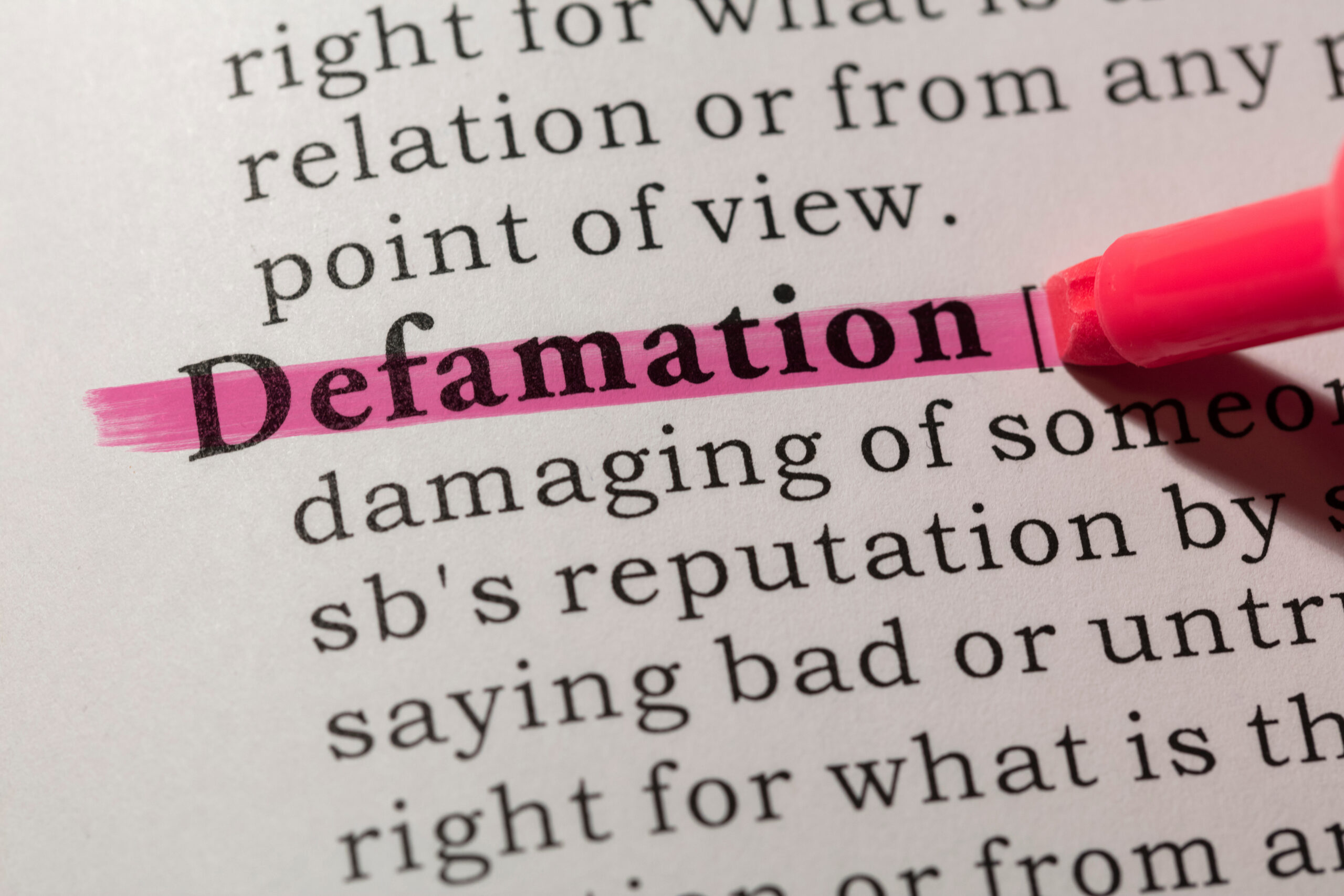
What Is Defamation?
Under North Carolina law, defamation generally means a false statement of fact about a person or business that is communicated to others and harms reputation.
Defamation usually falls into two categories. Libel refers to written or recorded statements, such as online reviews, emails, text messages, and social media posts. Slander refers to spoken statements, such as comments made in meetings, on calls, or in public conversations.
For modern business owners, most defamation issues arise from libel because written statements can travel quickly, remain online indefinitely, and continue causing harm long after the original publication.
Why Business Owners Should Care
A company’s reputation is not just a branding issue—it is a business asset. False statements can affect customer trust, vendor relationships, employee recruiting, and referral sources. In some cases, a single false accusation can create immediate financial consequences.
The risk is even greater in a digital environment. A false statement posted online can be indexed by search engines, repeated by others, and seen by future customers who have no context for whether the accusation is true.
That is why defamation law matters. It gives businesses a way to respond when false factual statements cross the line from criticism into actionable reputational harm.
The Most Important Distinction: Fact vs. Opinion
This is where many people get confused. Defamation law does not protect a business from every harsh comment or negative opinion. It protects against false statements of fact.
For example, a statement like “I didn’t like working with this company” is usually opinion. A statement like “This company stole client funds” is very different. That is a factual assertion that can be proven true or false.
The fact-versus-opinion distinction is often the first major issue in any defamation analysis. A statement may be damaging, unfair, and frustrating—and still not be actionable if it is simply opinion.
What Defamation Law Does—and Does Not—Do
Defamation law is not a tool for silencing critics or removing every negative review. Courts recognize that people are entitled to express opinions, dissatisfaction, and even sharp criticism.
What the law targets is different: false factual statements that damage reputation. If a statement accuses a business or owner of dishonesty, criminal conduct, fraud, or professional misconduct, the legal analysis changes quickly.
That is why an early legal review matters. Before threatening suit, demanding a takedown, or escalating the dispute publicly, it is important to determine whether the statement is actually defamatory under North Carolina law.
The Bottom Line
If you are dealing with a harmful statement, the central question is not whether it was rude, exaggerated, or upsetting. The real question is whether it was a false statement of fact that harmed your reputation.
That distinction determines whether you have a valid claim—or simply an unpleasant business problem that may require a different response strategy.
Protect Your Business Reputation Before It Becomes a Lawsuit
If your business is dealing with false statements, negative online content, or reputational harm, early strategy matters. The wrong move—whether ignoring it or overreacting—can make the situation worse. At Revolution Law, we help North Carolina business owners evaluate defamation risks and take strategic action—whether that means pursuing a claim, responding effectively, or avoiding unnecessary escalation.
Schedule a consultation to assess your situation and protect your business.
Revolution Law Group is located in Greensboro, NC, and serves individuals and small businesses throughout the Triad and surrounding areas. To contact us please visit Revolution.law or call 336-333-7907.
The information included here is for informational purposes only, is not exhaustive of all considerations when creating documents, is not intended to be legal advice, and should not be relied upon for that purpose. We strongly recommend you consult with an attorney and do not attempt to create your own documents.
Defamation
-
Can my business sue for defamation in North Carolina?Yes—businesses can bring defamation claims when false factual statements damage their reputation. The viability of the claim depends on whether all legal elements can be proved.
-
Are bad reviews considered defamation?Usually not. Most bad reviews are framed as opinions, and opinions are generally protected. A review becomes more dangerous when it makes false factual accusations.
-
What if the statement is misleading but not completely false?That depends on the overall substance of the statement. Minor inaccuracies may not be enough if the gist of the statement is still true.
-
Does defamation require proof of financial loss?Often yes, although some categories of statements are considered so inherently harmful that damages may be presumed.
-
Does defamation law apply to social media posts?Yes. Online posts, reviews, comments, and similar written content can all be analyzed as potential libel.